

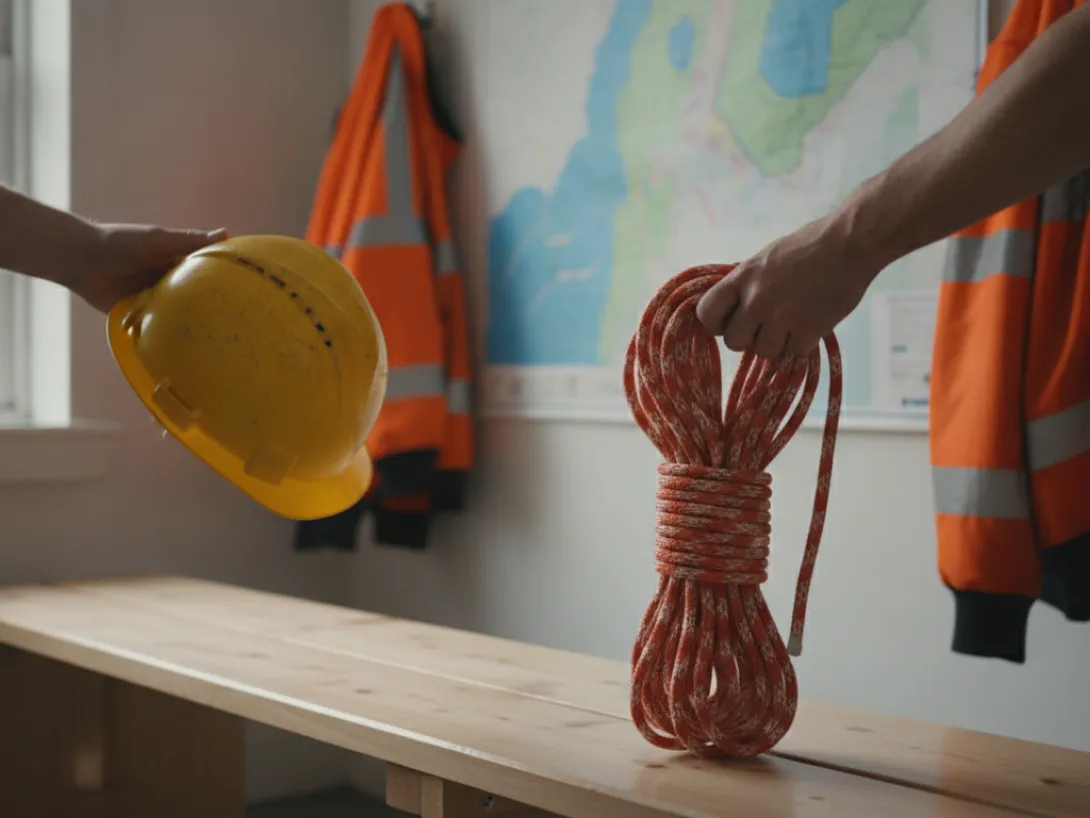
A public-safety website built for its worst day
When a flood warning goes out, people reach for their emergency service's website. They check whether their suburb is at risk, read the warning, look up their local flood plan, and decide what to do next. Traffic spikes at exactly the moment failure is least acceptable.
The organisation behind the website is a state emergency services agency: a volunteer-based organisation, thousands of members strong, responsible for its state's response to floods and storms, with millions of people relying on its website for warnings and preparedness information.
A website like this is not a marketing asset. It is operational infrastructure, and every technical decision has to be read against that.
Technical leadership inside an agency partnership
A partner agency brought us in as their engineering partner, while their team carried the strategy, design and content of the new experience. Starting from a search scoping brief in 2024, within 6 weeks we were providing technical leadership and running the engineering delivery process, and we have provided technical leadership, platform engineering and release management ever since.
We brought the practices that keep a high-stakes build calm:
- a groomed and estimated backlog
- a clear ticket standard with testable acceptance criteria
- automated code quality checks and automated tests over the critical journeys
- a steady release cadence
In a focused fortnight we reviewed, estimated and assigned more than 200 tickets and shipped 2 releases, and the delivery rhythm we set then still runs the platform today. For a client, that rhythm reads as predictability: you know what ships this fortnight and what ships the next.
The site launched in late 2024.
A location-aware emergency platform on Drupal
A completely rebuilt experience on Drupal(Opens in a new tab/window), organised around the emergency journey: plan and prepare, during an emergency, recovery.
The site recognises where a visitor is and shows the flood information for their own suburb, because flood risk is always local. A guided planning tool builds a personalised emergency plan for a home, business or farm and hands it over as a downloadable PDF.
Preparedness resources are professionally translated into community languages, the whole site supports text-to-speech, and donations are handled securely online. Built on the government design system, every page reads unmistakably as official, which is exactly what you want when the message is "evacuate now".
Kept current: Drupal 11 upgrade and search replatforming
A public-safety platform is never finished, and the engagement has kept widening well beyond the build:
- the upgrade to Drupal 11 and PHP 8.4 in 2026, reaching production within days of its planned date, moving the platform onto Vortex(Opens in a new tab/window), our open-source Drupal project template
- a search replatforming when the site's search product reached end of life
- editorial and resilience improvements: content preview, scheduled publishing, and a branded maintenance page that appears automatically if the platform is ever unreachable
- recurring platform support under a defined service level agreement
The search change is worth a closer look. We changed vendors without touching the public search experience, because we had built it on Drupal's Search API abstraction from our first week on the project.
That is what disciplined abstraction buys: when a vendor product reaches end of life, the swap is an engineering errand, not a rescue project.
Measured outcomes, 2 years in
The site has carried live flood and storm emergencies since launch. Mobile performance has more than doubled, with homepage Lighthouse scores rising from 34 at launch to the high 80s.
From 34 to the high 80s on mobile performance, across 2 years of live emergencies.
The relationship keeps growing: 6 further engagements across upgrades, search, performance and integrations.
For a website that matters most on its worst day, what happens after launch is the real test. 2 years in, we are still the team on the platform.
For platforms that cannot afford a bad day
Everything on this page is 3 of our services running on one live public-safety platform: technical leadership on a high-stakes build, platform engineering with automated testing on every release, and ongoing support and maintenance under a defined service level agreement.
If you run an emergency service, a utility, or a government platform the public depends on, this is the shape the engagement takes: a steady release rhythm, upgrades that land on their planned dates, and a team still on the platform 2 years later. The same engineering is available with AI-assisted delivery where it suits the work, at the same tested standard.
If your platform is heading toward a Drupal 11 deadline, or carrying more risk than you are comfortable with, tell us where it stands.